Dutch Windmills Worth Seeing Near Amsterdam
Published
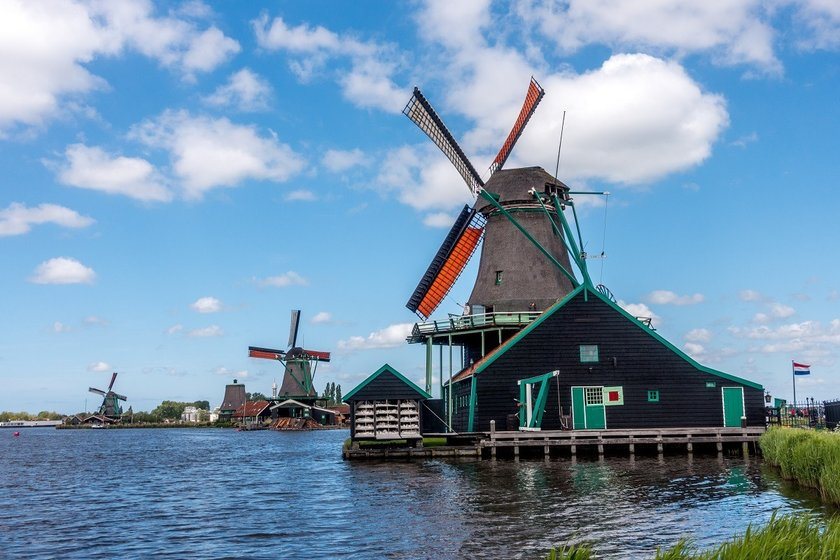
A windmill turning above a quiet canal is one of those Dutch scenes that looks almost too perfect to be real. Yet Dutch windmills were never built simply for the view. They ground grain, pressed oil, cut timber, and, most famously, helped keep much of the country dry enough to live in. Seeing them in person turns a familiar postcard image into a far more interesting story.
For visitors based in Amsterdam, a windmill outing is an easy way to trade busy streets and museum lines for open skies, wooden houses, and villages where water has shaped daily life for centuries. The right trip is not about rushing from one photo stop to another. It is about choosing a setting that fits your interests, allowing time to look around, and enjoying the journey as much as the destination.
Why Dutch Windmills Matter
The Netherlands has long had a complicated relationship with water. Much of the country lies at or below sea level, and generations of Dutch engineers had to find practical ways to drain wetlands, manage canals, and protect farmland. Wind-powered pumping stations played a major role in that effort. They moved water out of low-lying areas and into canals, making land usable for homes, crops, and communities.
Other mills powered local industries. A sawmill could process timber more quickly than hand tools. An oil mill pressed seeds for cooking oil and paint. Pigment mills produced colors for artists and makers. In the Zaan region north of Amsterdam, this concentration of wind-driven production created what is often described as one of the earliest industrial areas in the world.
That history changes the experience of a visit. You are not looking at decorative buildings from a distant past. You are standing beside machines that helped build the Dutch economy and landscape. Many have distinctive functions, and some still operate when weather and conditions allow.
Where to See Dutch Windmills Near Amsterdam
Zaanse Schans for a classic first visit
Zaanse Schans is the best-known choice for many travelers, and for good reason. The collection of traditional green wooden houses, working mills, waterside views, and small craft demonstrations creates a vivid introduction to historic Holland. It is especially appealing for first-time visitors, families, and anyone who wants to see several classic Dutch experiences in one comfortable stop.
The key is managing the pace. Zaanse Schans can be busy, particularly during spring and summer mornings when large coaches arrive. A private visit makes it easier to arrive at a more relaxed time, focus on the mills that interest you, and include nearby stops without following a fixed group schedule. You may prefer a short walk along the water, time inside a working mill, or an unhurried coffee with the windmills in view.
Not every mill is open every day, and access may depend on maintenance, weather, and operating schedules. That is part of the reality of visiting living heritage rather than a staged attraction. A knowledgeable guide can help shape the day around what is actually available.
Kinderdijk for the water-management story
Kinderdijk offers a different kind of windmill experience. Its famous line of 18th-century mills stands in a broad, open polder landscape, where the connection between wind power and water control is immediately clear. If Zaanse Schans feels like a compact historic village, Kinderdijk feels more spacious, quieter, and more focused on the engineering story behind the Dutch landscape.
It is farther from Amsterdam, so it makes the most sense for travelers who have a full day available and want windmills to be the centerpiece of their itinerary. The journey is worthwhile for photographers, history enthusiasts, and visitors who prefer expansive views over village-style shopping and demonstrations. It can also be a better fit outside peak travel hours, when the paths feel more peaceful.
A tailored route for travelers who want more than one icon
A windmill day does not have to be only about windmills. The most memorable private itineraries often combine a mill village with another local experience that matches your group. Pair Zaanse Schans with Volendam for harbor views and fishing-village character, or add a quieter countryside stop for a more personal look at North Holland.
For spring travelers, a windmill visit can work beautifully alongside the flower fields or Keukenhof, although timing matters. Bloom conditions change from year to year, and the most popular sites can be crowded. For food-focused travelers, regional cheese, fresh bakery stops, or a relaxed lunch can add warmth to a day that might otherwise feel like a checklist.
The trade-off is simple: packing in too many places can make a scenic day feel hurried. For couples and small groups, two or three well-chosen experiences usually create a better memory than five rushed stops.
What to Expect During a Windmill Visit
A Dutch windmill is often more compact inside than visitors expect. Stairways can be steep and narrow, floors may be uneven, and the upper levels are not always suitable for guests with limited mobility. If climbing is important to you, it is wise to mention that when planning your tour. If it is not, there are still excellent views and plenty of history from ground level.
The weather also shapes the experience. A breezy day may mean a chance to see sails turning, but it can feel cool beside the water even in warmer months. Comfortable shoes and an extra layer are sensible choices. Rain does not ruin a windmill trip, but it does make covered stops, flexible timing, and door-to-door transportation particularly valuable.
Photography is rewarding throughout the year. Spring brings fresh green landscapes and flower season nearby. Summer has long daylight hours, though also the largest crowds. Autumn can offer softer light and a calmer atmosphere. Winter is quieter and more atmospheric, but opening hours may be more limited. There is no single best season. It depends on whether your priority is weather, activity, light, or breathing room.
Why a Private Windmill Tour Feels Different
Public transport can reach many windmill destinations, but connections, schedules, and walking routes can take more time than visitors expect. Group coach tours solve the transportation problem, yet they often leave little room for changing plans when you discover a place you would like to enjoy longer.
A private guided tour offers a more comfortable middle ground. Hotel pickup removes the stress of finding meeting points, and a small group can travel at its own pace. There is room to pause for a view, adjust for weather, take a lunch break, or skip a stop that does not interest you. Traveling by electric Tesla also means no tailpipe emissions as you explore the Dutch countryside.
Mike Green Tours creates private day trips for up to four guests, with an itinerary built around what your group wants from the day. Some guests want the iconic sights and plenty of photos. Others are more interested in mill technology, local villages, or quieter places beyond the standard route. Both approaches can be excellent when the day is planned around your priorities rather than someone else's timetable.
Make the Most of Your Day
Before you set out, decide what you want to remember most. If it is the image of classic windmills beside traditional houses, choose Zaanse Schans and allow enough time to wander. If you are fascinated by Dutch water management, consider giving Kinderdijk the full attention it deserves. If your group includes different interests, build a route that mixes history with food, a harbor, countryside views, or seasonal flowers.
Most of all, leave room for the small moments: the creak of timber inside a mill, the sound of water moving through a canal, a sail catching the wind, and a view that suddenly explains why the Dutch became such inventive stewards of their landscape. That is where a windmill visit becomes an unforgettable experience rather than just another photograph.
Keep reading
- Windmills Near Amsterdam Worth Seeing Up Close
Plan a private windmills day trip from Amsterdam: see working mills, learn their story, and enjoy Zaanse Schans away from the crowds with a guide.
- Keukenhof and Windmills Day Plan for a Perfect Day
Plan your Keukenhof and windmills day plan with tulip gardens, Zaanse Schans, a relaxed local lunch, and private Tesla travel from Amsterdam each spring.
- How to Visit Dutch Villages Privately from Amsterdam
Learn how to visit Dutch villages privately with a flexible, chauffeur-guided day trip from Amsterdam, built around your pace, interests, and comfort.