Your Guide to Netherlands Wheelchair Tours
Published
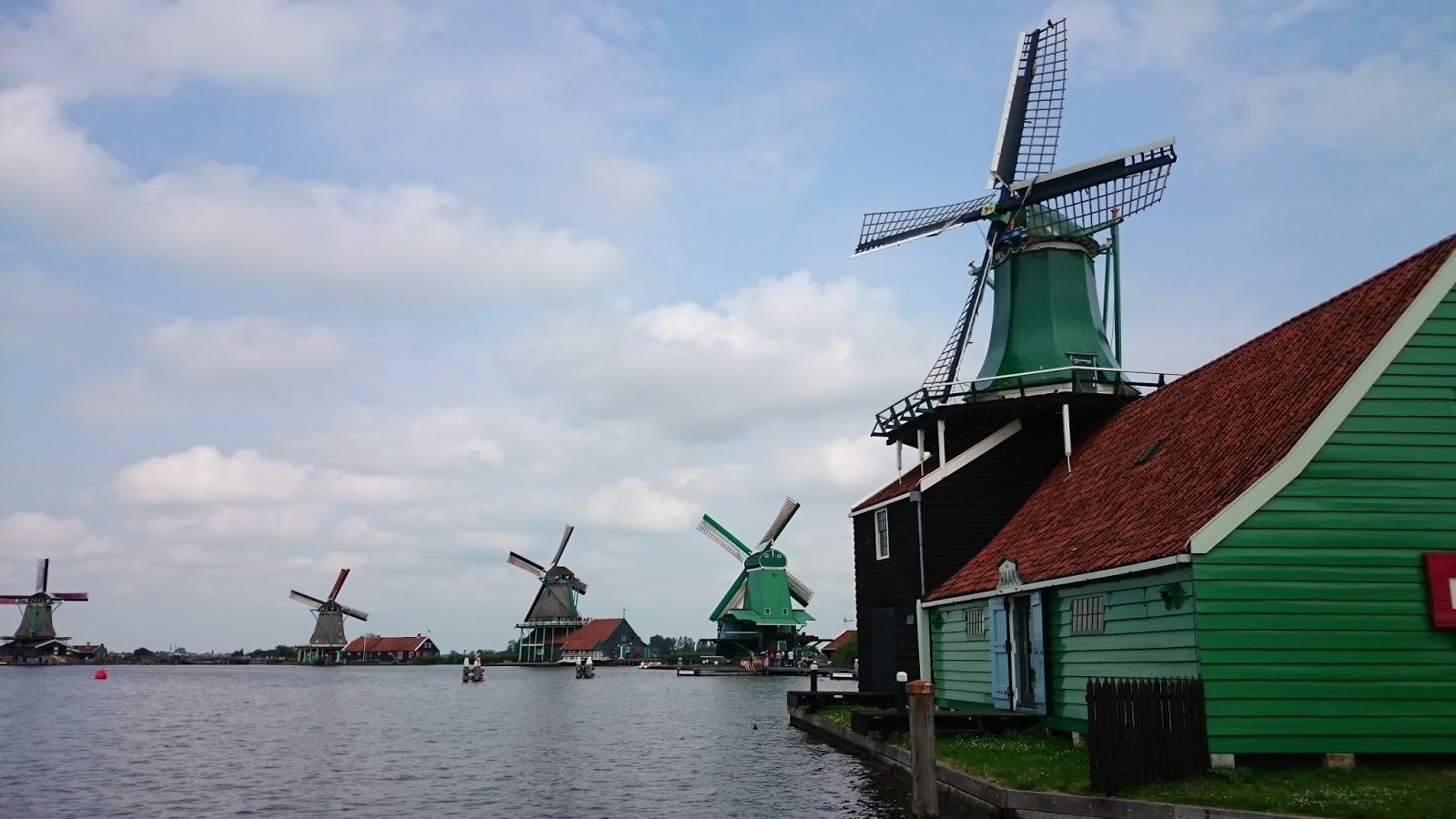
The Netherlands is wonderfully compact, but a successful accessible day out still comes down to details: the right entrance, enough time between stops, accessible restrooms, and transport that works for your chair. This guide to Netherlands wheelchair tours helps you plan beyond the brochure photos, so your time around Amsterdam feels relaxed, personal, and full of memorable Dutch experiences.
The good news is that many major attractions, museums, and historic centers have made meaningful progress on accessibility. The more realistic news is that cobblestones, narrow village paths, old buildings, and seasonal crowds can change the experience from place to place. A private itinerary gives you room to make smart choices instead of trying to keep up with a fixed group schedule.
Guide to Netherlands Wheelchair Tours: Start With the Right Questions
Before choosing destinations, decide what comfortable travel means for you. Wheelchair travel is never one-size-fits-all. A traveler using a lightweight folding chair may have different transport options from someone using a larger powered wheelchair. The same applies to walking distance, transfer needs, companion assistance, and the amount of time you want to spend outdoors.
Share the practical details early with any tour provider: the wheelchair’s folded and open dimensions, weight, whether it is manual or powered, and whether you can transfer into a vehicle seat. Ask about storage, step-free access at each stop, accessible restrooms, and the realistic amount of rolling distance involved. Clear answers are far more valuable than a general statement that a destination is “wheelchair friendly.”
For private sightseeing in and around Amsterdam, confirm the vehicle setup before booking. A premium sedan may be ideal for travelers who can transfer and have a folding wheelchair, but it is not automatically suitable for every mobility device. Travelers who need a ramp-equipped vehicle or to remain seated in their wheelchair during transport should request a dedicated accessible vehicle arrangement. Planning this in advance protects your comfort and avoids surprises on the day.
Choose Destinations That Match Your Pace
Amsterdam is often the easiest base for a wheelchair-focused itinerary because it offers accessible museums, modern public spaces, and a broad choice of dining and restroom facilities. Yet even here, accessibility can vary block by block. The city’s historic charm includes uneven brick streets, crowded sidewalks, canal bridges, and some buildings with entrances that are difficult to navigate independently.
A well-paced Amsterdam day might focus on one major museum, a canal-side route chosen for smoother surfaces, a relaxed lunch, and time in a neighborhood rather than trying to cover every landmark. The Rijksmuseum, Van Gogh Museum, and several newer cultural venues are commonly considered strong choices, but temporary construction, special exhibitions, and entrance procedures can change. Check current accessibility information shortly before visiting.
For a countryside experience, Zaanse Schans is appealing for its windmills, traditional houses, and open-air setting. It can work well when expectations are realistic. Main paths are generally more manageable than some historic interiors, but wooden surfaces, gravel, thresholds, and narrow spaces can limit access inside individual buildings. The views, waterfront atmosphere, and photo opportunities can still make it a rewarding stop without needing to enter every windmill.
Volendam offers a classic harbor setting with colorful houses and fresh seafood, though parts of the old village have uneven paving and busy pedestrian areas. It is best enjoyed at a gentle pace, with time to linger near the harbor rather than a rushed itinerary. If you are traveling in peak spring or summer, an earlier start can make a noticeable difference.
Keukenhof is one of the more enjoyable seasonal choices for many wheelchair users. The gardens are designed for visitors, with broad routes through displays of tulips and spring flowers. Still, the grounds are large. A private tour is particularly useful here because you can prioritize the areas that interest you, take breaks when needed, and avoid turning a beautiful garden visit into an endurance test.
Build a Route Around Comfort, Not a Checklist
The best Netherlands wheelchair tours leave breathing room in the schedule. Historic attractions often require a little extra time for parking, accessible entrances, elevators, restroom stops, and finding the smoothest route. That is not lost time. It is what allows the day to feel enjoyable rather than tightly managed.
Plan no more than two main attractions for a full day outside Amsterdam, especially if both involve substantial grounds or museum interiors. Pairing a scenic village with a relaxed lunch and one accessible cultural stop usually creates a better experience than trying to fit in three distant locations.
Weather matters, too. Dutch rain can arrive quickly, and wind can make exposed waterfronts and open countryside less comfortable. Bring a rain cover for your chair, layers that are easy to add or remove, and a small towel for drying handles or seats. In colder months, allow extra time to settle in at each stop. During spring tulip season, expect higher visitor numbers and book key arrangements early.
Transport Can Make or Break the Day
The Netherlands has a strong public transport network, and many trains, trams, and buses offer accessible features. But independent travel may still involve advance assistance requests, designated boarding points, platform changes, and busy stations. For some visitors, this is manageable and part of the adventure. For others, it uses energy better spent enjoying the destination.
Private transportation can simplify the day by providing hotel pickup and drop-off, flexible timing, and space to adjust the itinerary when an attraction is busier or less accessible than expected. A guided experience also removes the need to navigate unfamiliar stations or coordinate multiple transfers. Mike Green Tours does not currently offer wheelchair-accessible tours.
That said, private transport should never be treated as a substitute for confirming wheelchair compatibility. Ask specifically how your chair will travel, where it will be stored, and whether the vehicle can accommodate any necessary equipment. A provider who takes time to discuss these details is helping you plan responsibly.
Small Details That Make a Big Difference
Accessible travel becomes easier when you prepare for the moments between attractions. Keep medication, charging equipment, a phone power bank, water, and weather protection within reach rather than packed away. If you use a powered wheelchair, check charging options before committing to a long day away from your hotel.
Restaurant access deserves the same attention as museum access. A charming canal-side café may have a narrow entrance or restroom downstairs, while a modern restaurant nearby may be much easier to use. There is no reason to settle for inconvenience when a little planning can deliver both good food and a comfortable setting.
It also helps to have a backup plan. If a historic interior turns out to have steps or an elevator is temporarily unavailable, your day does not have to be disappointing. A guide with local knowledge can redirect you to a scenic route, an accessible café, a waterside viewpoint, or another nearby attraction without losing momentum.
Questions to Ask Before You Book
Ask whether the route is step-free from vehicle drop-off to entrance, whether accessible restrooms are available, and how much of the visit can be enjoyed if certain interiors are inaccessible. Confirm parking distance, expected surface conditions, and whether tickets need timed entry. If you are visiting a smaller historic site, ask if staff can assist with an alternative entrance.
Be equally open about what makes a day great for you. Some travelers want flower fields and photographs. Others care most about art, architecture, local food, or a peaceful coastal view. A custom itinerary works best when it is designed around your interests and mobility needs together, not when accessibility is added as an afterthought.
The Netherlands rewards travelers who slow down enough to notice the details: a windmill turning above the water, tulips in neat ribbons of color, a canal reflecting late-afternoon light. With honest planning and a route built around your comfort, those moments can belong to the day rather than being something you have to work hard to reach.
Keep reading
- A Guide to Private Netherlands Day Tours
Plan your guide to private Netherlands day tours with a local chauffeur-guide, flexible stops, Tesla comfort, and more time for what most interests you.
- Volendam Culture Travel Guide for Private Day Trips
Plan a meaningful day by the water with this Volendam culture travel guide, from harbor traditions and food to quieter local moments beyond the crowds.
- A Guide to Sustainable Sightseeing Near Amsterdam
Use this guide to sustainable sightseeing near Amsterdam to plan an electric, private day trip with thoughtful stops, local flavor, and less travel stress