Windmill Tour From Amsterdam: Zaanse Schans Private Tour
Published
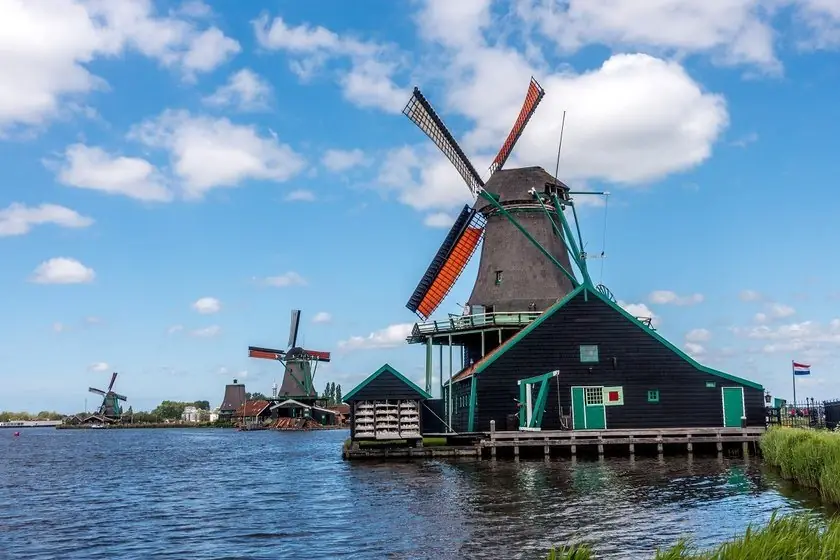
The first sight of a working Dutch windmill is more striking than most visitors expect. The creak of the sails, the rows of green wooden houses and the scent of fresh cocoa in the air make Zaanse Schans feel far removed from central Amsterdam, even though it is an easy day trip away. A windmill tour from Amsterdam is one of the simplest ways to enjoy that contrast without working out train schedules, bus connections or where to go once you arrive.
For couples, families and small groups who prefer comfort over crowds, a private trip is a far more relaxed way to see the Netherlands beyond the city. You leave from your hotel, travel in a Tesla Model Y Premium Long Range and shape the day around what you actually want to see.
Why Zaanse Schans Is the Classic Windmill Day Trip
Zaanse Schans is an open-air heritage area beside the River Zaan, just north of Amsterdam. Traditional houses, workshops, warehouses and windmills sit side by side. It is not a theme park: many of the buildings were moved here from surrounding communities to preserve the region's industrial heritage, and several of the windmills still work today.
The Zaan region was once one of Europe's earliest industrial areas. Long before modern factories, wind power drove sawmills, oil mills, spice mills, paint mills and paper mills here. Seeing a sail turn against the Dutch sky gives you context that no museum display can quite match.
For visitors staying in Amsterdam, that is the appeal. You can leave the canals and busy streets behind, step into a waterside village landscape and be back at your hotel without giving up a whole holiday day. It is especially rewarding for first-time visitors, families and couples who want classic Dutch scenery without a complicated plan.
Why Dutch Windmills Still Matter
The Netherlands is famously flat and closely tied to water, and for centuries wind power helped Dutch communities manage both. Some mills pumped water from low-lying land, making farms, towns and trade routes possible. Others powered sawmills, ground pigments for paint, pressed oil, milled grain and produced spices.
That history is easy to miss when a windmill is just a pretty background for photos. A real mill is an early industrial machine, built with remarkable precision from wood, stone, canvas and wind. When the weather allows, a working mill still does exactly what it was designed to do.
What to See and What It Costs
Here is the part many visitors wonder about: walking around Zaanse Schans is free, and so are the workshops and everything else there. The only thing that costs money is going inside a windmill, which is €7.50 per person, paid on the spot. Most visitors go inside just one. For the full breakdown, see Is Zaanse Schans free? What costs money and what doesn't.
Working windmills
The windmills are the headline attraction, and each has its own story. Depending on the day and season, you may be able to go inside a working mill, climb its narrow stairs and see how wind powers the machinery. Some mills produce oil, while others demonstrate traditional milling or historic industrial processes. A spice mill may fill the air with aromas; a sawmill shows how Dutch shipbuilding and trade were supported by wind-powered production.
Not every mill is open every day, and wind, maintenance and season all play a part. The interiors are fascinating but not ideal for everyone: stairs can be steep, floors uneven and space limited. If climbing is not for you, the views from the paths and the riverbank are still excellent. Treat a mill as a living piece of history, not a polished museum display. It may be noisy, breezy, dusty and wonderfully real.
Cheese, chocolate and local crafts
Zaanse Schans is a wonderful place to see Dutch food traditions in action. Cheese demonstrations explain how Dutch cheeses are made and aged, often with time to taste different varieties. Craft workshops may show wooden shoe making, including the surprisingly precise process of shaping a clog from a block of wood. The area also has a close connection with cocoa, and the sweet aroma that sometimes drifts through the air is a reminder that the Zaan region is still part of the Dutch food industry.
Shopping is available, but it does not need to define the day. Treat the demonstrations and shops as optional stops and leave room for the windmills, photographs and the quieter corners along the water.
The village atmosphere
Slow down long enough to look beyond the main photo spots. Green houses, small bridges, sheep in nearby fields and boats on the river create the charm that brings people here. This is also where travelling privately pays off: instead of following a large group's schedule, you can pause when the light is beautiful, stay longer at a favourite windmill or skip something that does not interest you.
When to Visit the Windmills
Morning is usually the best time. The paths are quieter, tour buses have not yet filled the main viewing areas and photographs are easier without crowds in the background. An early pickup from Amsterdam also leaves the afternoon free for another destination.
Spring brings bright green fields and, nearby, the tulip season, but it is also one of the busiest times. Summer offers long daylight hours and the longest opening hours, though popular spots get crowded by late morning. Autumn can be especially beautiful, with softer light and fewer visitors, while winter has a quiet, atmospheric feel, although some attractions may keep reduced hours. If you want to see a specific mill working, plan around its opening days and the weather.
Getting There: Public Transport or a Private Tour?
You can reach Zaanse Schans on your own by bus, train, car or bike. If you want a few hours independently and a low-cost day, that works well, and our guide on how to get from Amsterdam to Zaanse Schans explains each option.
A private tour replaces the logistics with door-to-door comfort. You are collected from your hotel in Amsterdam, there are no timetables to follow, and parking fees are included. It suits travellers who are short on time, travelling with children, or simply do not want to spend their holiday energy on connections.
Private Tour or Group Tour: What Is the Difference?
A large group tour can be a practical choice if you are on a tight budget or just want transport to a major attraction. It follows a set timetable, which means you know what you are getting, but coaches have to keep moving, even if you have found a mill you would like to enter or a photo spot you want to revisit. Pickup points are also often in central Amsterdam, which adds time at both ends of the day.
A private tour is for travellers who value a more personal experience. Your guide tailors the commentary to your group and builds in the stops that matter most to you. If the weather changes, the plan changes with it. It is not always the least expensive option, but for couples, families or friends travelling together it can offer better value, because you are paying for door-to-door service, a dedicated guide and the freedom to use your time well.
Choose Your Windmill Day
The right plan depends on how much time you have and what you enjoy. Mike offers three private options that include Zaanse Schans, all for up to four guests with hotel pickup and drop-off in Amsterdam:
- Private half-day windmill tour: 4 hours at Zaanse Schans, €295 per private group. Ideal if you want the windmills and still have time for museums or dinner in Amsterdam.
- Zaanse Schans, Volendam and Marken: about 7 hours, three classic Dutch stops.
- Zaanse Schans, Volendam and Castle de Haar: a full 8-hour day, €495 per private group. Castle de Haar admission, lunch and tips are not included.
Going inside a windmill (€7.50 per person) is not included in any of the tour prices, so you can decide on the day whether you want to. Prefer a different route altogether? You can also design your own private tour. In spring, Keukenhof pairs beautifully with the windmills, though it makes for a longer day and a more structured schedule. Some travellers prefer not to combine places at all, which can be the smarter choice if you want to explore several windmills or enjoy lunch without watching the clock.
Practical Tips for a Comfortable Visit
Wear comfortable shoes with good grip. Wooden stairs and paths can be slick after rain, and cobblestones and uneven surfaces matter more than expected. Bring a light waterproof layer rather than relying on an umbrella, which is awkward in the wind, and carry a small day bag instead of bulky luggage if you plan to climb inside a mill.
If photographs are a priority, ask for an early start. The low morning light brings out the colour of the green houses and the texture of the sails, and some of the loveliest scenes are along the outer paths, where a windmill, the river and open sky come together without the crowd. If you have a special interest such as photography, food or Dutch history, tell Mike while planning the day so he can shape it around you.
Leave room for the unscripted moments: a sail beginning to turn, a quiet view across the water, the first taste of a local cheese you did not expect to love. Plan the essentials, then let the day breathe. Check availability for your dates, or send Mike a message on WhatsApp with any question first.
If you would like to take the windmills home with you, Mike can capture your visit on a private tour with the optional Memory Collection: 50+ professional photographs and an edited highlight film, delivered digitally after the tour.
Have you already seen the windmills, or want a quieter day? The private Giethoorn day tour is a full private day to the canal village of Giethoorn, with hotel pickup in Amsterdam.
Keep reading
- How to Get From Amsterdam to Zaanse Schans
How to get from Amsterdam to Zaanse Schans by bus, train, car or bike, with official route details and a private-tour option from your hotel.
- Zaanse Schans versus Kinderdijk: Which to Visit?
Zaanse Schans versus Kinderdijk helps you choose the Dutch windmill day trip that fits your time, travel style, and ideal Amsterdam itinerary with ease.
- Is Zaanse Schans Free? What Costs Money and What Doesn't
Walking around Zaanse Schans is free. Only going inside a windmill costs money: €7.50 per person. Here's what's free, what isn't, and parking.
- Amsterdam Anne Frank House: Plan a Thoughtful Visit
Plan a meaningful visit to Amsterdam's Anne Frank House, with ticket advice, timing tips, and helpful context for a respectful, unhurried experience.
- Private Driver Versus Taxi Rides in Amsterdam
Compare private driver versus taxi rides for Amsterdam day trips, from cost and comfort to flexibility, local insight, and premium private comfort.